
Aluminium Foil for Transformer Windings
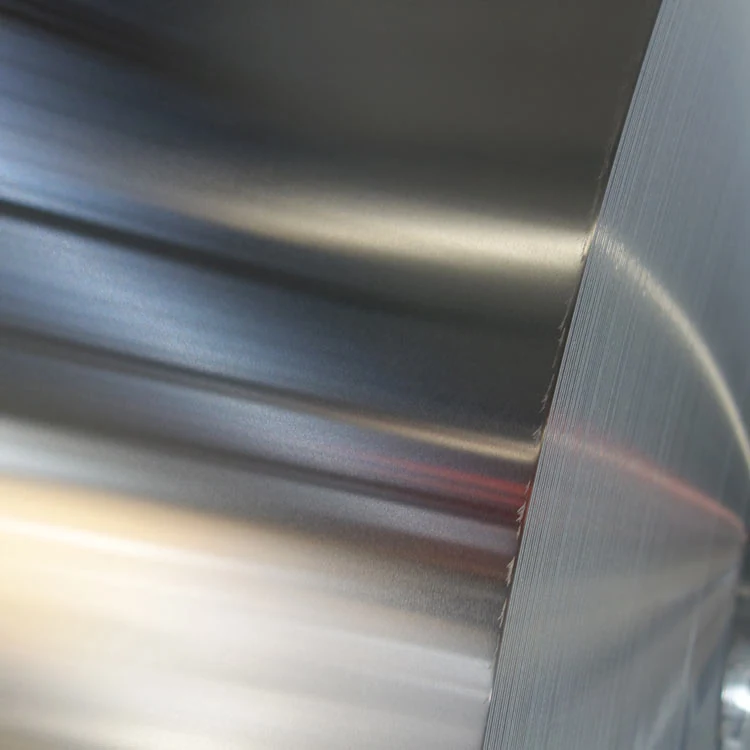
Foil-wound low voltage coils are only as good as the foil going into them. This is 1050, 1060 and 1070 aluminium foil and strip made for transformer winding: pure aluminium at 99.6% content or better, rolled to 0.2-3.00 mm, slit to any width from 20 to 1500 mm, and edge conditioned so the coil can be wound without burrs cutting into the interlayer insulation.
Production scope and material data
| Alloy | 1050 / 1060 / 1070 |
|---|---|
| Thickness | 0.2 - 3.00 mm |
| Width | 20 - 1500 mm |
| Inner diameter | 150 / 200 / 300 / 400 / 500 mm or customised |
| Aluminium content | 99.6% minimum |
| Conductivity | 63 %IACS minimum |
| Tensile strength | 74 MPa and above |
| Edge condition | Round edge, no burrs, no scratches |
| Temper | Soft temper for winding, to order |
Problems this solves
- Burrs on the slit edge puncturing interlayer paper and causing turn-to-turn faults during winding
- Gauge variation across the width that makes a foil coil grow unevenly and lose its stacking factor
- Stock widths that force the coil shop to re-slit in house and carry the scrap
- Small development or repair quantities that most rolling mills refuse to quote
Why buyers pick it
- Conductivity at or above 63 %IACS keeps I2R loss in the low voltage winding predictable
- Round-edge slitting with no burrs and no scratches, so interlayer insulation stays intact
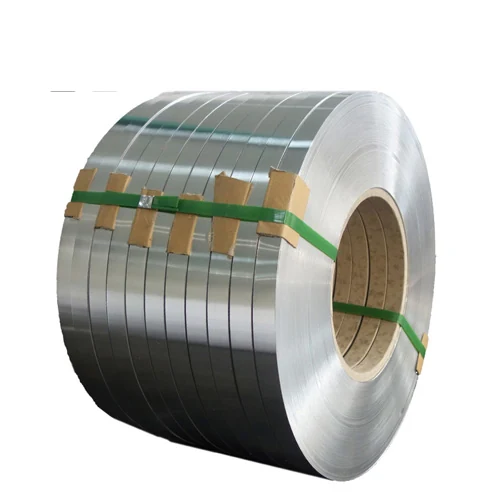
- Any width from 20 to 1500 mm, so the foil arrives at coil width and nothing is trimmed on the winder
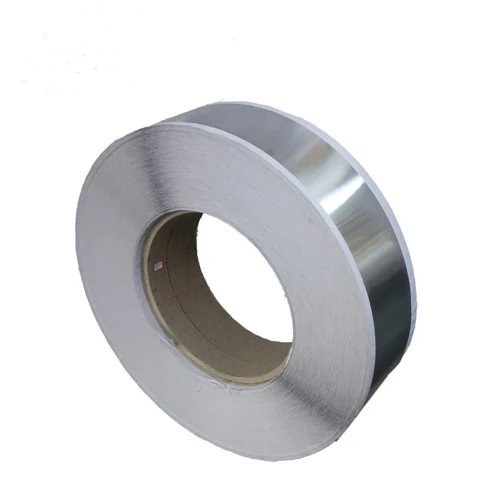
- Inner diameter 150, 200, 300, 400 or 500 mm to suit the mandrel already on your machine
- Good formability through bending, stamping and winding without cracking or deformation
Technical detail
Chemical composition is held inside the specified limits for iron, copper, silicon, zinc, manganese and magnesium, because those impurities are what move conductivity and mechanical behaviour. The surface is kept smooth and flat, which reduces eddy current loss in the finished winding, and the material resists corrosion, oxidation and ageing so a coil built today behaves the same after years in service. Tensile strength and elongation are set high enough that the foil survives bending, stamping and winding without deformation or breakage.
Quality control
Every coil is checked for width, thickness and edge condition before packing. Slitting targets a round edge with no burrs and no scratches, because that is the failure mode that shows up as a turn-to-turn fault after the coil is already impregnated. Dimensional tolerance is agreed against your transformer design rather than against a generic mill standard.
Customisation
Alloy, gauge, slit width, inner diameter and coil weight are all set by the order. There is no minimum order quantity, although a given gauge and width combination may carry a minimum production run - the quotation states that up front rather than after the purchase order.
How it compares
Against copper foil, aluminium is the lighter and lower cost conductor and needs a larger cross section for the same current. Against enamelled rectangular wire, foil gives a full-width turn with no interturn gaps and a simpler winding operation, at the cost of needing interlayer insulation.
Who it is for
Transformer builders winding low voltage foil coils, coil shops slitting for third parties, and repair workshops that need one or two coils of a specific width rather than a mill minimum.
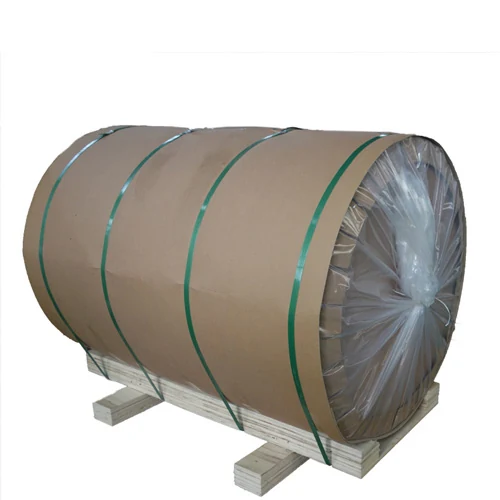
The material as it ships
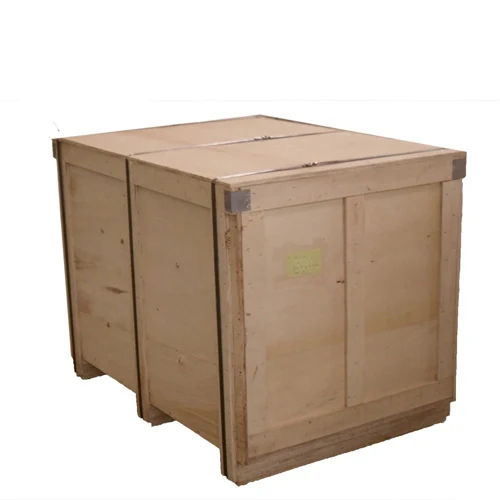
Questions buyers ask about this item
What alloys do you supply for transformer foil?
1050, 1060 and 1070, with aluminium content of 99.6% or higher.
What is the thinnest and widest foil you can slit?
Thickness runs from 0.2 mm to 3.00 mm and width from 20 mm to 1500 mm.
Is there a minimum order quantity?
No. Depending on the item and the processing there may be a minimum production run, but the quotation is built around the quantity you actually need.
What inner diameters are available?
150, 200, 300, 400 and 500 mm as standard, or customised to your mandrel.
How long does delivery take?
Normally 10 to 30 days, depending on the order.
Why does the price move between quotations?
Aluminium is traded like all metals and the price follows supply, demand and other market factors, so quotations are tied to the metal price at the time of the order.
How is the foil packed for export?
Coils are wrapped and packed to prevent bending, scratching and physical damage in transit, using wooden crates or plastic wrapping, and handling instructions travel with the shipment.
Related material
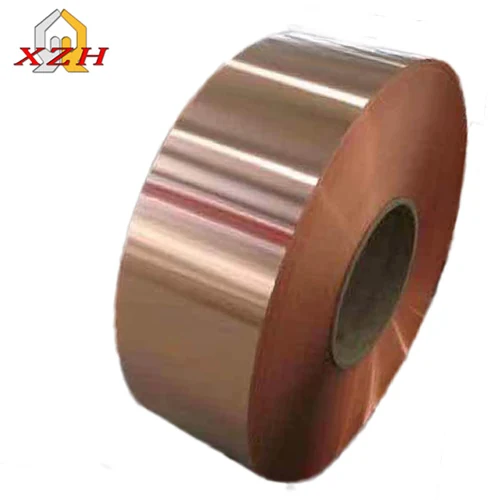
Copper Foil for Transformer Windings
Thickness: 0.2 - 3.0 mm · Width: 50 - 1350 mm
View specification →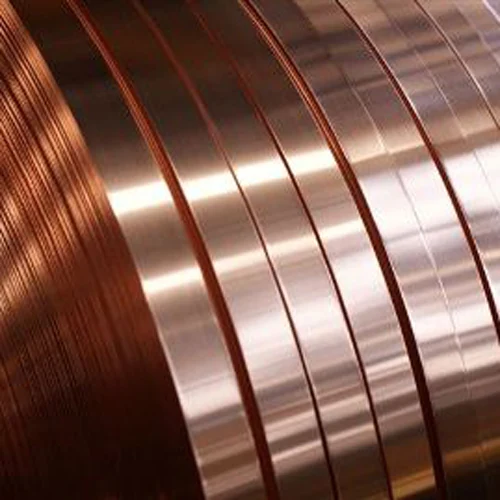
Copper Strip for Transformer Windings
Thickness: 0.2 - 3.0 mm · Width: 50 - 1350 mm
View specification →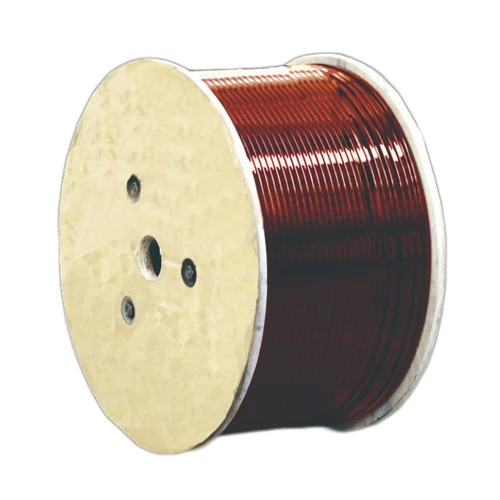
Enamelled Rectangular Wire for Transformers
Conductor width (b): 2.00 - 16.00 mm · Width to thickness ratio: 1.4:1
View specification →Further reading
Ready to price this against your drawing?
Code or alloy, inner diameter, thickness, width and weight is all the sales desk needs to quote.