
Copper or Aluminium Foil for a Low Voltage Winding
Conductivity, cross section, weight and price. The four numbers that settle the argument, with the actual figures for both materials.
Start with conductivity
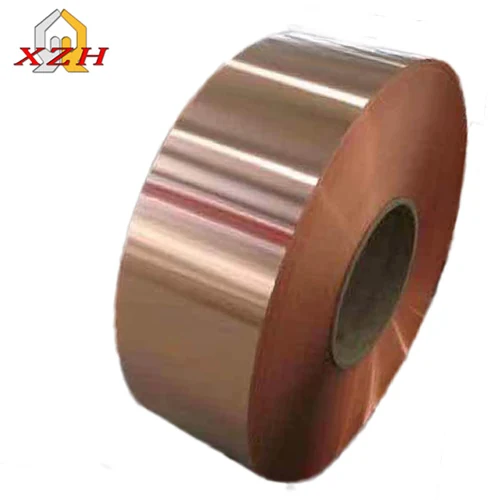
Copper foil in C1100 reaches 99 %IACS or better. Aluminium foil in 1050, 1060 and 1070 reaches 63 %IACS or better, and the technical requirement for transformer aluminium foil is typically a conductivity exceeding 58 %IACS. That gap is what drives the cross section.
Then the cross section
For the same current, an aluminium conductor needs a larger cross section than copper. If the window area is fixed by an existing core design, that is often the end of the discussion. If the design is new, the larger aluminium section can usually be accommodated.
Strength and handling
Copper foil has tensile strength above 193 MPa, aluminium above 74 MPa. Both need enough tensile strength and elongation to survive bending, stamping and winding without deformation or breakage, which is a specification item rather than an assumption.
Purity limits
Copper foil is oxygen-free electrolytic material, oxygen below 0.02% and purity 99.95% or higher. Aluminium foil runs 99.6% content or better, with impurity limits on iron, copper, silicon, zinc, manganese and magnesium held inside the specified band.
Available sizes
Copper: 0.2 to 3.0 mm thick, 50 to 1350 mm wide. Aluminium: 0.2 to 3.00 mm thick, 20 to 1500 mm wide. Aluminium reaches both narrower and wider, which matters for small chokes and for wide low voltage coils.
Corrosion and service life
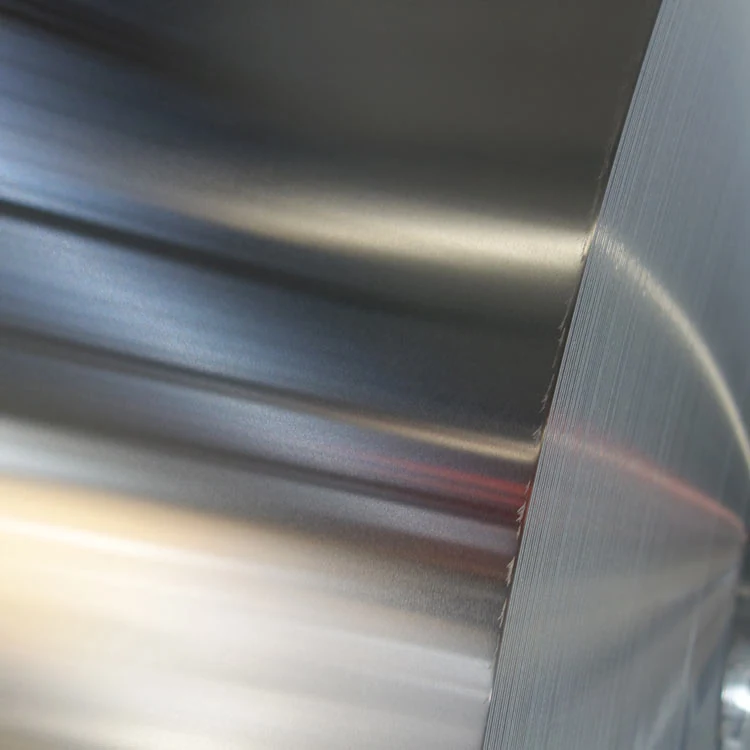
Aluminium foil for transformers is specified for resistance to corrosion, oxidation and ageing, and for thermal stability at transformer operating temperatures, so that the winding lasts and maintenance intervals stretch.
Applying this to a live design?
Send the dimensions and the target figures and the sales desk will quote the grade that matches.