
- Home
- Knowledge
- Transformer Bushing Selection A Guide For Engineers
Engineers responsible for power systems often face the challenge of selecting the most suitable transformer bushings for their applications. This guide covers the six factors that decide the choice.
Understanding The Application
The first step is to understand the specific application and its requirements. The questions to answer are the voltage level, the current capacity, and any special operating conditions such as high temperatures or vibration. Everything that follows depends on these three answers being right.
Material Considerations
Transformer bushings are made from several materials, each with its own properties and advantages. Glass, ceramic and composite materials are all in use. The choice should balance electrical performance, physical strength and durability rather than optimising for any one of them alone.
Insulation And Dielectric Strength
The bushing must have enough insulation to withstand the rated voltage and prevent dielectric breakdown. This means knowing the dielectric strength of the materials involved, not just the nameplate rating of the bushing. In our ranges this shows up as published BIL and power frequency withstand figures, for example 125kV BIL with 50kV wet withstand across much of the DIN range.
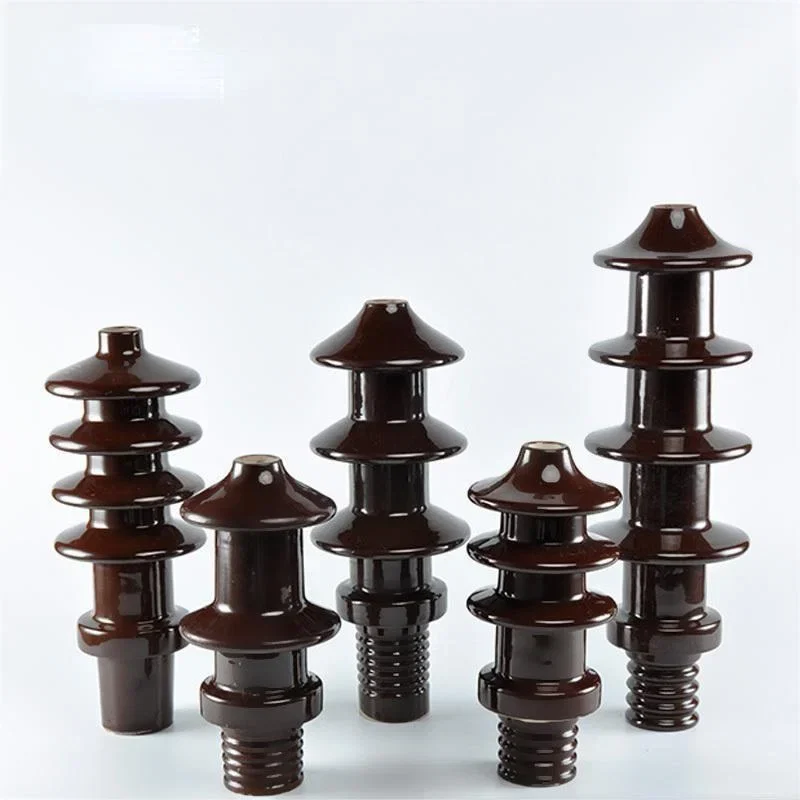
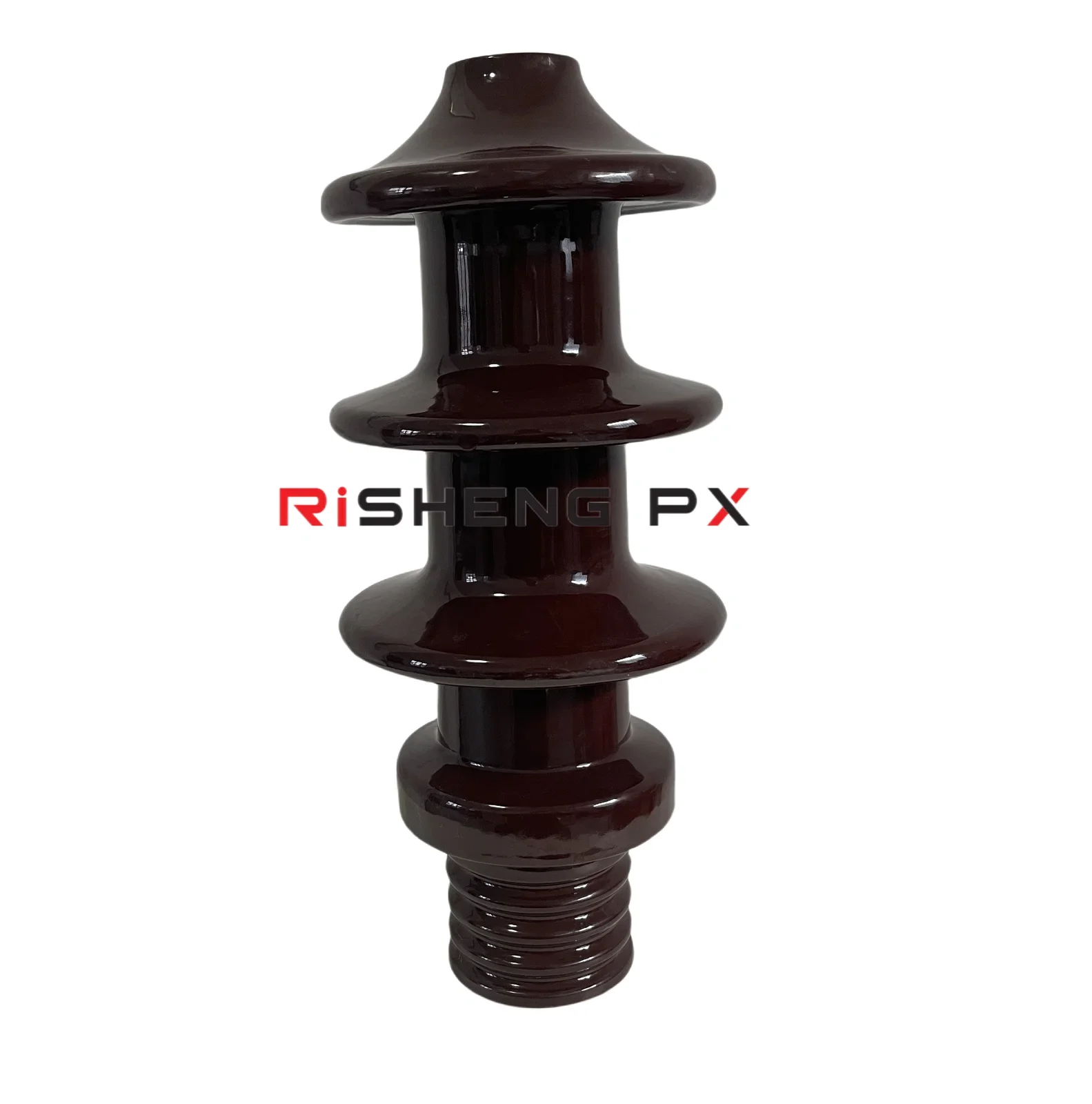
DIN 20NF630A Transformer Bushing 440mm Creepage
Current Capacity
The current capacity must be sufficient to handle the expected current without overheating or excessive voltage drop. Resistivity, thermal properties and physical dimensions all come into it. This is why the DIN and EN tables change the tank hole size and stem thread at every step in current, from M12 at 250A up to M48 at 3150A.
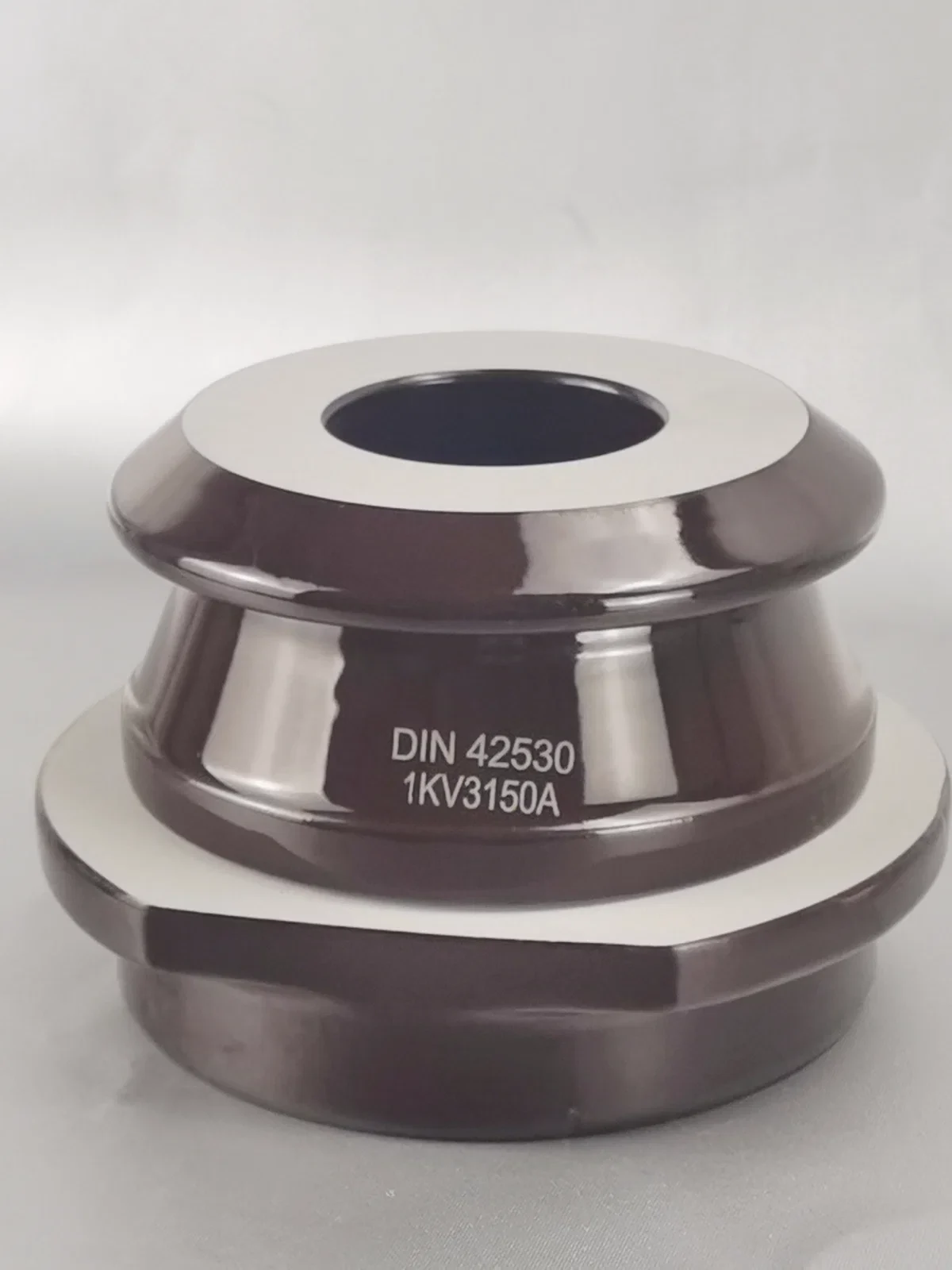
DIN 42530 1kV 3150A Transformer Bushing DT 1/3150
Environmental Factors
Bushings have to withstand the conditions where they are installed: moisture, dirt, temperature extremes and exposure to gases or pollutants. Select for the worst case expected, not the average. This is the factor most often underestimated, and it is the reason creepage distances in our range run from 50mm on a 1kV low voltage bushing to 935mm on the EN 36/250/P3.
EN 36/250/P3 Transformer Bushing Insulator 36kV
Installation And Maintenance
Ease of installation and the subsequent maintenance requirement belong in the selection, not after it. Choose bushings that need minimal installation effort and leave easy access for future maintenance or replacement. In practice this often means matching the existing terminal board rather than redesigning around a new part.
Products Referenced In This Guide
High Voltage Transformer Bushings
DIN 20NF630A Transformer Bushing 440mm Creepage
High Voltage Transformer Bushings
- Nominal Creepage Distance 440 mm
- Net Weight 6.1 kg
- Height 385 mm
EN 50180 24kV 250A Porcelain Transformer Bushing
Low Voltage Transformer Bushings
- Standard IEC60137
DIN 42530 1kV 3150A Transformer Bushing DT 1/3150
- Tank Hole Size 90 mm
- Creepage Distance 75 mm
Related Ranges And Applications
Transformer Bushing Insulators
High Voltage Transformer Bushings
Distribution Transformer Manufacturers
Selecting Creepage For The Pollution At Your Site
Questions About This Topic
Apply This To Your Own Project
Send the drawing or describe the site and we will recommend a pattern and a creepage class.
Product Photographs
Request a Quote
We reply to every enquiry within one business day. Write to us directly by email or WhatsApp — both reach our sales desk immediately.